How to Hack an X Account? Hacking Techniques and Protection 2026

Discover how to hack an X account: hacking techniques (phishing, SIM swapping, malware), methods used by hackers and solutions to protect your account. Complete guide 2026.

Hacking Methods Protection Methods

Understanding X Account Hacking Methods

To better protect yourself, you must understand how attackers target accounts. Below are the most commonly used techniques today.

WARNING

This article details techniques that hackers may use to infiltrate an X account. Content is strictly for informational and educational purposes. Any malicious use is prohibited.

PASS RECOVERY:
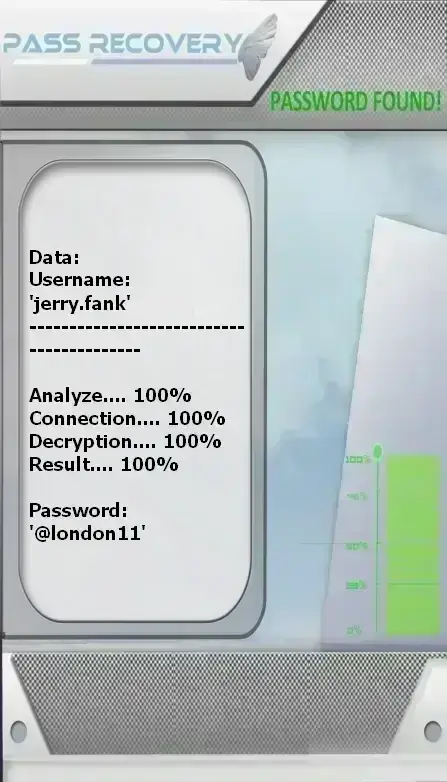
Decrypt X passwords

PASS RECOVERY is the application that allows you to quickly decrypt access to an X account simply from a username, email address, or phone number. This allows you to connect from a computer, smartphone, or tablet. Here are the steps:


1. Download the application from the official website: https://www.passwordrevelator.net/en/passrecovery


2. After installation, enter the @username, email address, or phone number associated with the X account to decrypt.


3. Then, launch the analysis. PASS RECOVERY will grant you access to the X account within minutes, allowing you to log in.


You can use it on as many accounts as you wish—there is no limit!

How to Hack an X Account: Exploitable Vulnerabilities

Structural weaknesses that hackers use for unauthorized access

Reposting Mechanism Flaws

Exploitation of X’s sharing mechanisms.

  • Hijacking tweet sharing tokens
  • Injecting payloads via Twitter Cards
  • Creating malicious preview links
  • Exploiting media processing vulnerabilities

Zero-Day Flaws in Third-Party Apps

Exploitation of unknown vulnerabilities in integrations.

  • Searching for vulnerabilities in popular connectors
  • Hijacking OAuth authorization flows
  • Code execution via insecure widgets
  • Privilege escalation through connected apps

Malicious Automation

Botting techniques to bypass X’s limitations.

  • Creating credible bot networks
  • Bypassing X’s anti-bot systems
  • Large-scale social engineering
  • Coordinated attacks via multiple accounts

Hacking by Internal API Exploitation

Abuse of undocumented or poorly protected endpoints for hacking.

  • Calling private APIs via leaked internal tokens
  • Data exfiltration via debug endpoints
  • Manipulating GraphQL query parameters
  • Accessing user data via deprecated endpoints

Hacking by Authentication Bypass

Techniques to bypass or compromise authentication mechanisms for hacking.

  • Session fixation via improperly invalidated cookies
  • Reusing expired access tokens
  • Abusing password reset mechanisms
  • Token leakage via misconfigured CORS errors

Client-Side Injection Attacks

Exploiting weaknesses in frontend rendering or processing.

  • XS-Leak to infer private data
  • Script execution via insufficiently filtered bios or descriptions
  • Information leakage via stealthy DOM events
  • Abusing overly permissive CSP policies

Mobile App Vulnerabilities

Exploiting weaknesses specific to X’s iOS/Android apps.

  • Decompilation to extract embedded API keys
  • Dynamic hooking to intercept network requests
  • Bypassing root/jailbreak detection
  • Abusing insecure URI schemes/intents

Hacking by Traffic Monitoring and Interception

Techniques for eavesdropping and manipulating network communications for hacking.

  • Forcing HTTP downgrades via targeted MITM attacks
  • Analyzing unencrypted requests in third-party SDKs
  • Capturing sensitive GraphQL queries via proxy
  • Session reuse via plaintext-transmitted cookies

Webhook and Integration Abuse

Exploiting automated notification and action channels.

  • Command injection via unvalidated webhook payloads
  • Data exfiltration via overly permissive callbacks
  • Falsifying events to trigger legitimate actions
  • Abusing extended permissions in server-to-server integrations

X Account Protection

Defensive strategies against intrusion techniques

Biometric Authentication

Enable facial or fingerprint recognition for secure access to your X account.

Alias Emails

Use unique email addresses for X to limit data breach risks.

Connection History

Regularly review your login history to detect suspicious activity.

Strengthening Credentials Against Hacking

Techniques to secure access to your X account from hacking.

Essential measures:

  • Use unique passphrases of 20+ characters
  • Mandatory two-factor authentication
  • Prefer physical security keys over SMS
  • Regularly update recovery methods

Active Monitoring for Hacking Detection

Early detection of suspicious X hacking activity.

Monitoring techniques:
  1. Enable alerts for unusual logins
  2. Review active sessions daily
  3. Monitor changes to sensitive settings
  4. Audit connected third-party apps regularly
  5. Use specialized monitoring services

Response to Account Compromise

Steps to take if your account is breached.

Action plan:

  • Immediately revoke all active sessions
  • Change all credentials linked to the account
  • Verify security and recovery settings
  • Scan your system for keyloggers
  • Report the incident to X’s support team
  • Alert your contacts to potential risks

Cybersecurity Expert Advice

Effective X account protection requires a layered approach: combine strong credentials, proactive monitoring, and continuous education about emerging threats. Be especially cautious of targeted social engineering (spear phishing) via direct messages (DMs), which remains the most effective attack vector against X.

Defenses must evolve continuously to counter new offensive techniques developed by threat actors specializing in social media account compromise.

FAQ: How to Hack an X Account

Find answers to common questions about how to hack X accounts

How can I tell if my X account has been hacked?

+

Warning signs of a compromised account:

  • Unusual activity in your login history
  • Tweets or messages you didn’t post
  • Unauthorized profile or setting changes
  • Notifications of logins from unknown locations
  • Sudden appearance of connected third-party apps

How do hackers bypass two-factor authentication?

+

Common bypass methods include:

  • Targeted phishing (spear phishing)
  • Exploiting vulnerabilities in third-party apps
  • Social engineering against support staff
  • Intercepting SMS codes via SIM swapping
  • Using malware to capture session tokens

How long does it take to hack an X account successfully?

+

Time required varies depending on:

  • Password complexity and enabled security measures
  • Account activity level and age
  • Hacking method used

Is phishing still effective against X?

+

Yes, it remains one of the most widespread methods. Attackers create fake login pages mimicking X, delivered via email or direct message (DM). They exploit urgency (“Your account will be suspended!”) to trick users into entering credentials. Always verify the URL before typing your information.

What is a keylogger and how can I detect it?

+

A keylogger is malware that records every keystroke on your device. It can steal passwords without your knowledge. To detect it: use a reputable antivirus, inspect background processes (Task Manager on Windows), and avoid untrusted downloads.

How can I avoid social engineering for hacking?

+

Never disclose your credentials—even to someone claiming to be support staff. X will never ask for your password via email or DM. Be wary of urgent messages, account verification requests, or shortened links. Always verify the sender’s identity.